Standardization is Dead in Hospitality CRM – Long Live Individualization
Modern travelers reject cookie-cutter standardization—more than one-third of European travelers seek authentic local culture. This shift forces hotel groups to reimagine how hospitality CRM architecture supports individualization at scale without operational chaos. The solution: centralized account intelligence paired with property-level personalization, enabling culturally rooted guest experiences while maintaining revenue optimization.
Why Standardization Worked (and Why It's Failing Now)
For decades, global hotel groups thrived on standardization: centralized processes, identical brand standards, uniform service delivery. This model offered operational efficiency, training simplicity, and guest predictability while optimizing for legacy revenue streams—rooms.
The turning point: today's travelers expect differentiation. They want lobbies that double as event hubs, locally inspired menus, and staff empowered to create unique moments—not recite scripts. More than one-third of European travelers now seek authentic local culture, and one in five cite ambiance—music, décor, atmosphere—as a hotel selection driver.
Traditional hotel CRM systems were built for this standardization era—enforcing rigid workflows, uniform data fields, and one-size-fits-all reporting. They cannot accommodate operational flexibility without fragmenting into disconnected property-level silos. Standardization, once a competitive moat, now risks blocking the personalization modern hospitality demands.
The CRM Challenge: Personalization Without Chaos
Individualization sounds compelling—until you operationalize it across 50 properties, each with its own PMS, event calendars, local vendor relationships, and cultural context. Legacy systems (spreadsheets, siloed databases, point solutions) collapse under this complexity.
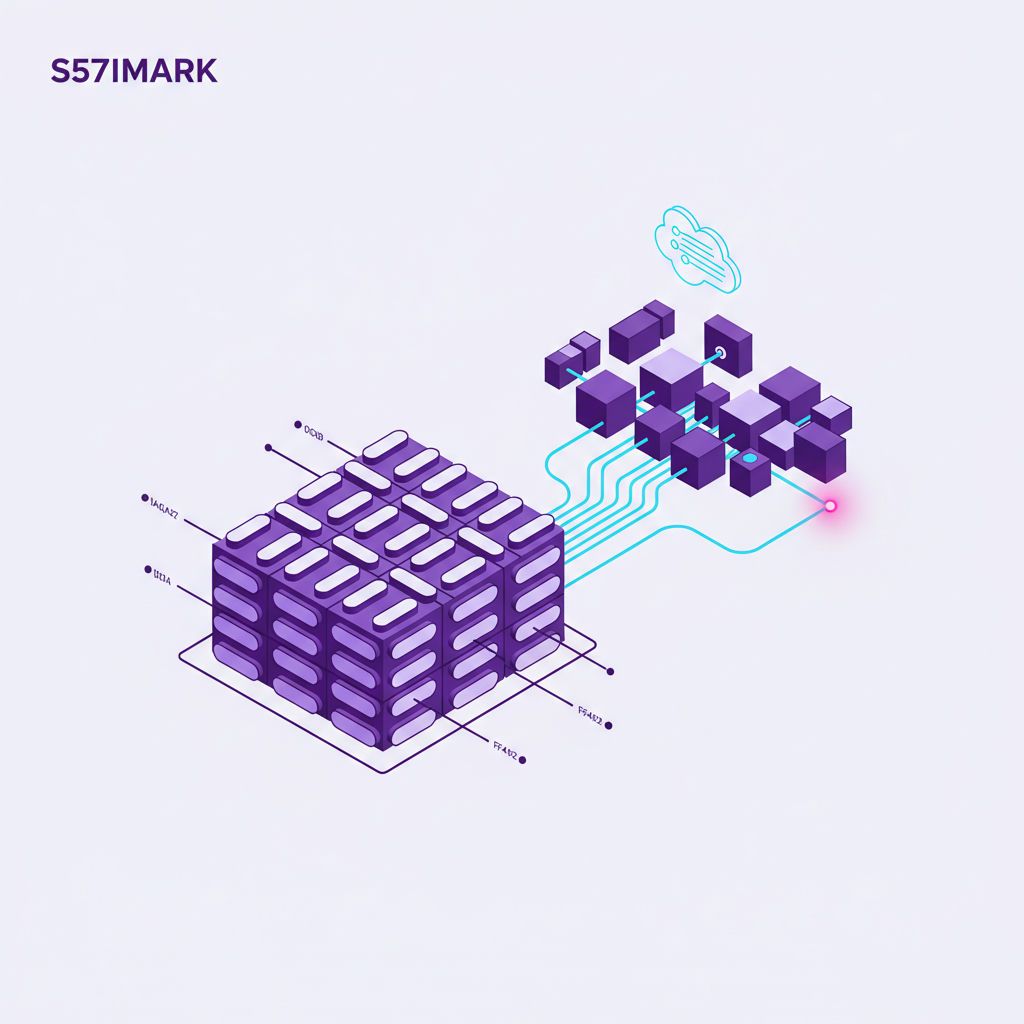
The result: either forced standardization (killing guest experience) or operational chaos (killing profitability). A Salesforce-native hospitality platform solves this by separating what must scale from what must flex. Account hierarchy roll-up ensures global hotel groups maintain a single view of corporate clients, travel agencies, and tour operators—even when each property customizes local activation.
GSO (Global Sales Office) solutions let multi-property sales teams propose room blocks, meeting space, and event packages that honor local character while leveraging enterprise-wide inventory and pricing intelligence. This architecture delivers three critical outcomes:
- Revenue velocity: Sales teams convert group business faster when they assemble multi-property proposals highlighting each venue's unique strengths—without manual data gathering or version-control nightmares
- Account expansion: Centralized account intelligence reveals cross-property opportunities (a corporate client booking Amsterdam meeting space may need Munich gala venues six months later), while property-level customization ensures each activation feels locally authentic
- Operational efficiency: Finance teams reconcile revenue across properties using a single chart of accounts and reporting framework, even when each property delivers distinct F&B experiences or event configurations
For hospitality operators evaluating alternatives to legacy venue management systems, the architectural choice is critical. Point solutions offer property-level flexibility but fragment data. Monolithic platforms enforce standardization that kills differentiation.
Where AI Meets Individualization
The shift to individualized experiences generates exponentially more data: guest preferences by location, event performance by venue type, F&B uptake by cultural segment, co-working utilization by traveler cohort. Manual CRM entry can't keep pace.
AI email parsing converts unstructured RFP inquiries into structured Opportunities, capturing localized requests ("rooftop terrace for 80, local wine tasting") without forcing sales teams into rigid templates. Agentforce RFP triage routes group business to the property best suited to deliver the requested experience—not just the requested square footage. Einstein Trust Layer ensures AI recommendations respect data governance, so personalization scales without privacy or compliance risk.
This AI-first approach transforms MICE sales workflows. Instead of sales managers manually qualifying which property can host a 120-person conference with breakout workshops and local culinary experience, Agentforce evaluates inventory, venue capabilities, and historical performance data—then drafts tailored proposals highlighting each property's cultural differentiation. The result: higher conversion rates and faster sales cycles, because personalization happens at machine speed without sacrificing quality.
The New Standards: Quality, Flexibility, Connection
What if we replaced old standards (room size, service scripts, menu uniformity) with new ones—best product regardless of shape, staff empowered to create individual connections, and localized offerings that reflect culture? This requires CRM and operations software that:
- Unifies data without forcing uniformity: Single source of truth for accounts, opportunities, and revenue—while allowing property-level customization of packages, BEOs (Banquet Event Orders), and event offerings
- Enables multi-property proposals with local flavor: E-proposal generation that assembles room-block management, space management, and F&B from multiple properties—each contributing its unique strengths
- Tracks what matters: PACE reporting and GRC (Group Revenue Conversion) that measure not just room nights, but event revenue, F&B capture, co-working utilization, and guest sentiment by segment and location
- Integrates across the capability stack: Native PMS integrations (Opera, Mews, Stayntouch, Protel) ensure financial parity and real-time inventory, so individualization doesn't mean data fragmentation
Bi-directional sync between Sales & CRM, Group & MICE, and Operations & Finance layers maintains data integrity while preserving property-level flexibility. This is how global hotel groups scale individualization without losing operational rigor.
From Conversion Brands to CRM Architecture
The rise of conversion brands—purpose-built to transform existing properties into unique, locally inspired experiences—signals a broader industry shift. These brands reject pre-defined room sizes and scripted service, betting instead on collections of individual properties united by values, not templates.
This model demands CRM that mirrors its philosophy: flexibility within structure. A Salesforce-native platform built on Salesforce delivers both—centralized intelligence (account roll-up, lead scoring, sales velocity analytics) and decentralized execution (property-level BEO management, local event calendars, cultural activations).
For operators exploring hotel management software alternatives, the question isn't whether to choose standardization or individualization—it's whether the platform architecture can support both simultaneously. Legacy systems force an either-or choice. Salesforce-native hospitality platforms eliminate the tradeoff.
How to Implement Individualization at Scale
Hospitality leaders transitioning from standardization to individualized guest experiences should follow this implementation roadmap:
- Audit data fragmentation: Identify where property-level systems (PMS, event calendars, local CRMs) create account duplication or revenue blind spots. Centralize account hierarchy and opportunity tracking first.
- Define flexibility boundaries: Not everything requires individualization. Room inventory sync, financial reconciliation, and compliance reporting demand standardization. Guest experience activations, F&B menus, and event theming demand flexibility. Map which processes belong in which category.
- Enable AI-powered triage: Deploy Agentforce agents to handle RFP parsing, lead routing, and proposal generation—freeing sales teams to focus on relationship-building and experience design rather than data entry.
- Instrument performance metrics: Expand PACE and GRC reporting beyond room nights to capture F&B revenue, event upsell rates, and guest satisfaction scores by property and segment. Use Analytics dashboards to identify which individualization tactics drive measurable revenue lift.
- Train for empowerment: Standardized service scripts created predictability but disempowered staff. Individualization requires training teams to make contextual decisions—supported by B2B CRM workflows that surface guest preferences, past interactions, and recommended actions without dictating rigid playbooks.
For step-by-step guidance, see how to optimize group sales workflows and how to implement AI-powered RFP management.
Key Takeaways for Hospitality Leaders
Standardization isn't dead—it's evolving. The new standard is consistent quality, empowered teams, and localized experiences—not identical rooms and scripts. Modern hospitality CRM must support personalization at scale: single source of truth plus property-level flexibility equals the architecture for individualization.
AI unlocks this shift. Agentforce and Einstein Trust Layer handle complexity (parsing RFPs, routing leads, drafting proposals) so teams focus on creating memorable guest experiences. Revenue diversification depends on it—F&B, wellness, co-working, and event revenue grow when properties can tailor offerings to local culture and guest segments, tracked and optimized through CRM.
Architecture choice determines success. Point solutions fragment data; monolithic platforms kill differentiation. Salesforce-native platforms built on Salesforce deliver both centralization and flexibility without compromise.
The future of hospitality isn't choosing between standardization and individualization—it's building systems smart enough to deliver both. When Channels unify distribution, Sales & CRM centralizes account intelligence, Group & MICE enables multi-property proposals, Operations & Finance maintains financial integrity, and AI & Agents automates personalization at scale—hospitality operators achieve both the efficiency of standardization and the differentiation of individualization. That's the promise of Group CRS, package management, and a Salesforce-native commercial platform purpose-built for the complexity of modern hotel groups, venues, and convention centers.